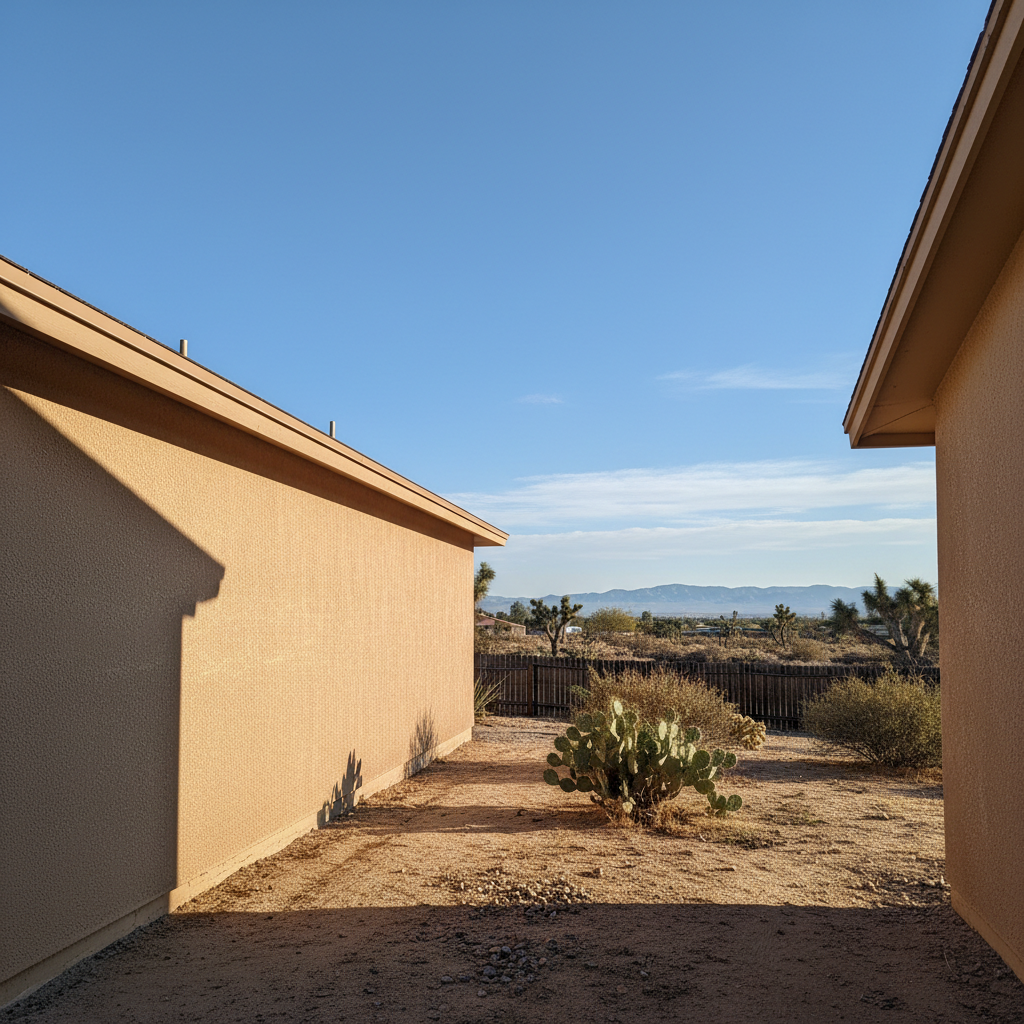
So, you just put new stucco on your Victorville home, right? Maybe you replaced a big section, or even the whole house. That's a smart move, especially considering how well stucco holds up here in the High Desert. But getting it installed is really just step one. If you want that investment to truly pay off and last for decades, you've got to take care of it. Think about buying a new truck; you wouldn't just drive it off the lot and never change the oil, would you? Your stucco needs the same kind of attention.
Making Your Stucco Last Longer After Replacement
The good news is, stucco is tough. Like, seriously tough. Even the best stucco job from Victorville Stucco & Plastering needs a little love to reach its full lifespan. A lot of it comes down to stopping moisture and impact damage before they start.
- Keep it Clean: Dirt, dust, and grime aren't just ugly; they can actually hold moisture against the surface. This encourages mold or mildew to grow, especially on north-facing walls that don't get much sun. A simple rinse with a garden hose once or twice a year usually does the trick. For tougher spots, grab a soft brush and some mild detergent (like dish soap) mixed with water. Just don't get carried away with a high-pressure washer; that can mess up the finish or even force water behind the stucco.
- Trim Your Landscaping: Bushes, trees, and vines growing right up against your stucco? Big no-no. They trap moisture, block sunlight, and can rub against the surface, causing wear. Keep plants at least 6-12 inches away from the wall. Bonus: this also helps with pest control, since foliage against the house is basically an insect highway.
- Control Water Around Your Foundation: This is huge, especially with our hard-packed Victorville soil that doesn't drain all that well. Make sure your sprinklers aren't constantly drenching the base of your stucco. Check your gutters and downspouts regularly, too. They need to be clear and directing water well away from your foundation. Water pooling at the bottom of your walls is a recipe for disaster, potentially leading to efflorescence or even foundation issues.
- Sealants Around Openings: Your windows, doors, and any penetrations (like utility lines) are prime spots for water to sneak in. Check the caulking around these areas every year. If it's cracked, peeling, or missing, clean out the old stuff and put in a good quality, paintable exterior sealant. This is a cheap fix that can prevent some really expensive problems.
Regular Maintenance: What You Should Be Doing
Beyond the big stuff, there are a few routine checks you should be doing. You don't need to be an expert; just walk around your house a couple of times a year, maybe in spring and fall, and give it a good look-over.
- Visual Inspection: Look for any cracks. Small, hairline cracks are often normal as a house settles or due to temperature changes. Anything wider than a credit card, or cracks that look like a spiderweb, are more concerning.
- Check for Stains: Dark streaks, green patches, or white powdery residue (that's efflorescence) can all point to issues. Dark streaks usually mean water is running down the wall from somewhere it shouldn't be, like a leaky gutter or roof. Green patches are mold or algae, often from constant moisture. Efflorescence is mineral salts left behind when water evaporates from inside the stucco.
- Tap Test: Gently tap on the stucco with a rubber mallet or even your knuckles. It should sound solid. If you hear a hollow sound, especially in one specific spot, it could mean the stucco has separated from the wall underneath, which is definitely a problem.
Warning Signs of Bigger Problems
Alright, so you're doing your regular checks, and you spot something that doesn't look quite right. Here's what to really keep an eye out for:
- Large, Spreading Cracks: Like I said, hairline cracks happen. But if you see cracks that are getting wider, longer, or branching out, especially around windows, doors, or corners, that's a red flag. These can mean structural movement or serious moisture issues.
- Soft or Crumbling Stucco: If you can easily poke a hole in the stucco, or if it feels soft and crumbles when you touch it, you've got serious moisture damage. This means water has gotten behind the stucco and is breaking down the material.
- Persistent Stains or Discoloration: If you've cleaned off mold or mildew and it keeps coming back in the same spot, or if you have dark, wet-looking stains that never dry, it's a sign of a continuous water source.
- Bubbling or Blistering: This can happen if moisture is trapped behind the stucco and is trying to escape. It's a clear sign of water getting in.
- Efflorescence That Won't Go Away: A little bit of white powder might be normal, but if it's extensive and keeps reappearing after cleaning, it means water is constantly moving through your stucco.
When to Call a Professional
Look, you're a homeowner, not a stucco expert. There's a point where DIY stops and you need to bring in someone who knows what they're doing. For anything beyond basic cleaning or re-caulking, it's time to call us. Specifically, if you see any of those 'warning signs' I just mentioned – large cracks, soft spots, persistent moisture issues, or bubbling – don't try to patch it yourself. You could be covering up a much bigger problem, making it worse and more expensive down the road.
We're Victorville Stucco & Plastering. We've seen it all out here, from the dry desert heat causing expansion and contraction issues to the occasional heavy rains finding their way into places they shouldn't. We can properly diagnose the problem, fix the underlying issue, and repair the stucco so it blends with your existing finish. Getting it fixed right the first time will save you a lot of headaches and money in the long run. Don't wait until a small issue becomes a major replacement project, okay?