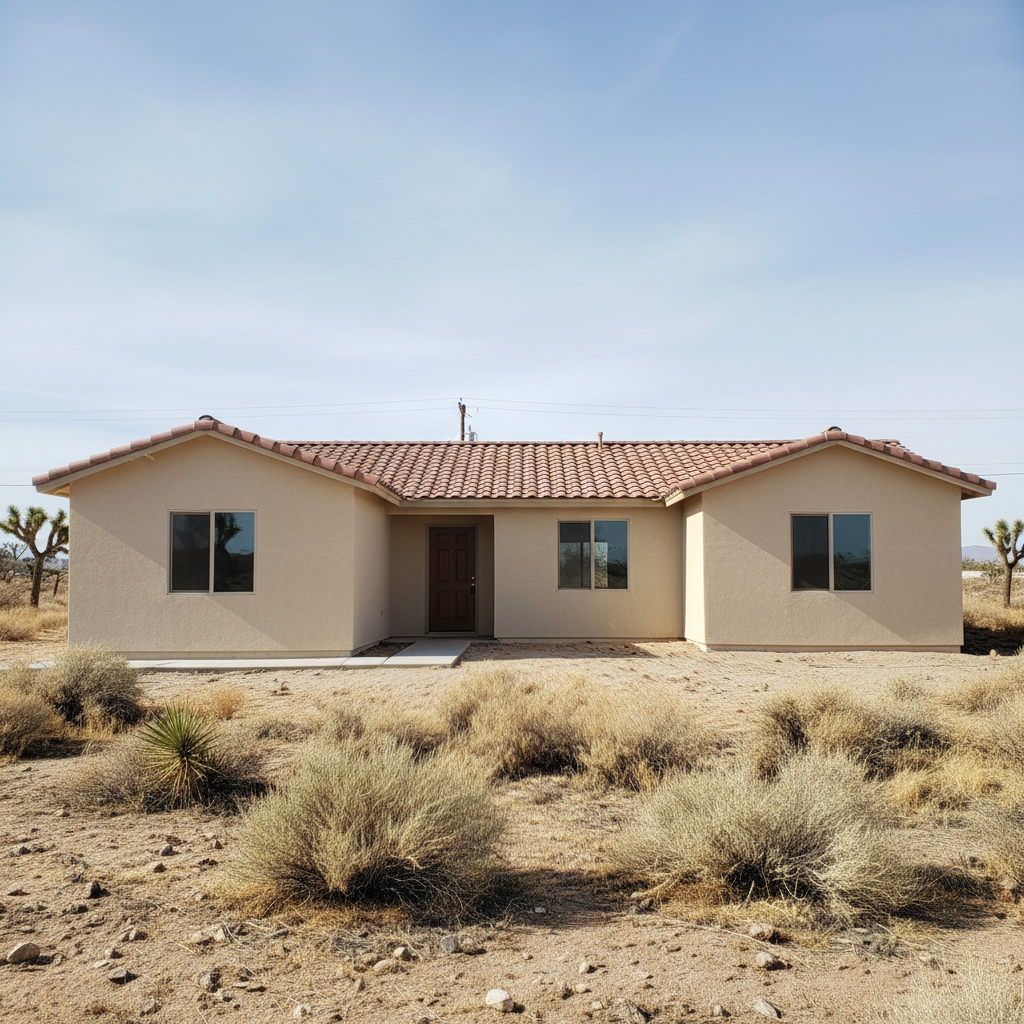
So, you're thinking about EIFS for your place here in Victorville. Good call. Exterior Insulation and Finish Systems, sometimes called 'synthetic stucco,' are a really solid choice for our High Desert climate. They offer fantastic insulation and give your home a super clean look. But let's be honest, the first thing most folks wonder is, "How much is this actually going to cost me?"
I totally get it. You don't want to get ripped off, and you want to know where your money's going. I've been in this business for years with Victorville Stucco & Plastering, and believe me, I've seen it all. Let's just cut to the chase and talk about what EIFS installation really costs around here.
What Actually Drives EIFS Installation Costs?
It's not just a simple price per square foot, even though that's where most contractors start. A bunch of different things can really change the final price tag. Here's what we typically look at:
- Your Home's Size and How Complicated It Is: This is probably the biggest piece of the puzzle. A straightforward, rectangular house with flat walls will definitely cost less than a home with lots of gables, dormers, arches, or those fancy architectural details. Every single corner, every angle, every window, and door opening means more labor and more complex materials. Taller walls? That also means more scaffolding and safety gear, which adds to the cost.
- The Kind of EIFS System You Choose: There are a few different types out there, but for homes, Class PB (that's polymer-based) is the most common. It's a multi-layered setup with an insulation board, a base coat that includes fiberglass mesh, and then a finish coat. Some systems also have drainage planes. These are super important for managing moisture, especially if we get any of that wind-driven rain. A drainage system is a smart investment, really.
- Material Quality and the Finish: Just like almost anything else you buy, EIFS materials come in different grades. If you go for higher-quality insulation boards, base coats, and finish coats, they'll cost more. But usually, they'll also last longer and perform better. The texture and color you pick for the finish coat matter too. Fine sand finishes might be on the cheaper side, while those specialty stone aggregate finishes will be pricier.
- What Your Walls Look Like Now and Any Prep Work Needed: What's currently on your walls? If we're putting EIFS over existing siding, or if there's any damage to the sheathing underneath, we have to fix that first. Things like sheathing repair or upgrading your air barrier can bump up the total cost by 10-15%. But trust me, skipping this step is just asking for trouble later on.
- How Easy It Is to Get Around Your House: If your home is tough to access, or if we need special equipment like lifts or a lot of scaffolding, that's going to mean more labor time and higher equipment rental costs.
- Permits and Hauling Away Trash: Don't forget about these. Permits are a must for any big exterior job, and properly getting rid of old materials and construction debris costs money.
Typical EIFS Installation Cost Ranges in Victorville
Alright, let's talk some actual numbers. Remember, these are just general ranges, and your specific project will have its own unique price. But this should give you a good idea of what to expect.
For a standard Class PB EIFS system on an average-sized home right here in Victorville, you're generally looking at about $10 to $18 per square foot. This price covers both the materials and the labor for a complete system.
- Lower End ($10-$12/sq ft): This would be for a simpler house, maybe a smaller addition, with easy access and a standard 1-inch insulation board and finish.
- Mid-Range ($13-$15/sq ft): Most residential projects land here. Picture average complexity, a few windows, some modest trim, and perhaps 1.5-2 inches of insulation.
- Higher End ($16-$18+/sq ft): This category is for more complex designs – think lots of corners, arches, intricate details, thicker insulation, or really tough access that needs a lot of scaffolding.
So, for a home with, let's say, 1,500 to 2,000 square feet of wall area (not floor area, people often mix that up), you could be looking at anywhere from $15,000 to $36,000 for a full EIFS installation.
Materials by themselves usually run about $3 to $5 per square foot, and labor is typically $5 to $9 per square foot.
What Should a Good EIFS Quote Include?
When you get an estimate from a reputable contractor, it shouldn't just be one big number. You really need a detailed breakdown. Here's what a solid quote from Victorville Stucco & Plastering, or any other quality company, should cover:
- Preparation: This covers cleaning the existing surface, any necessary repairs to the wall underneath, and proper flashing around all openings (windows, doors, vents). If it's a drainage EIFS system, it'll spell out those drainage components.
- Materials: A line-by-line list of all the EIFS parts: adhesive, insulation board (its type and thickness), base coat, fiberglass mesh, primer, and the finish coat (including the exact color and texture you picked).
- Labor: The cost for the crew to install everything correctly, including the specialized applicators EIFS requires.
- Equipment: Any special equipment like scaffolding, lifts, or sprayers.
- Waste Removal: The cost to haul away all the construction debris.
- Warranty Information: Details about the warranty for both the materials and the work itself.
- Permits: Confirmation that all required local permits are included and will be pulled.
How to Avoid Paying Too Much for EIFS Installation
Nobody wants to waste money, right? Here's how you can make sure you're getting a fair deal:
- Get Multiple Quotes: This is just common sense. Talk to at least three different contractors. It helps you compare prices, what they plan to do, and get a feel for how professional they are.
- Ask for Detailed Breakdowns: Like I said before, don't just accept a lump sum. Insist on a clear, itemized quote so you know exactly what you're paying for.
- Check References and Their Past Work: Look at their previous EIFS projects. A good contractor will be proud to show off their work and give you references. This is super important for EIFS, because if it's not installed right, you can end up with big problems like moisture getting in.
- Understand the EIFS System: Ask questions! Know what kind of insulation, base coat, and finish they're suggesting. Make sure it's a modern drainage EIFS system, which is specifically designed to prevent moisture issues.
- Don't Always Pick the Cheapest Bid: The lowest price isn't always the best deal. Sometimes, a much lower price can mean they're cutting corners on materials, labor, or even skipping crucial steps like proper flashing. You really don't want to pay twice to fix a bad job.
- Verify Licensing and Insurance: Always, always make sure your contractor is properly licensed and insured. This protects you if anything goes wrong – and things can go wrong, you know?
Putting EIFS on your home is a pretty big investment in its energy efficiency and how good it looks. Do your homework, ask the right questions, and pick a contractor who truly knows their stuff. You'll be so glad you did when your Victorville home looks fantastic and stays comfortable for years to come.