What's EIFS, Anyway?
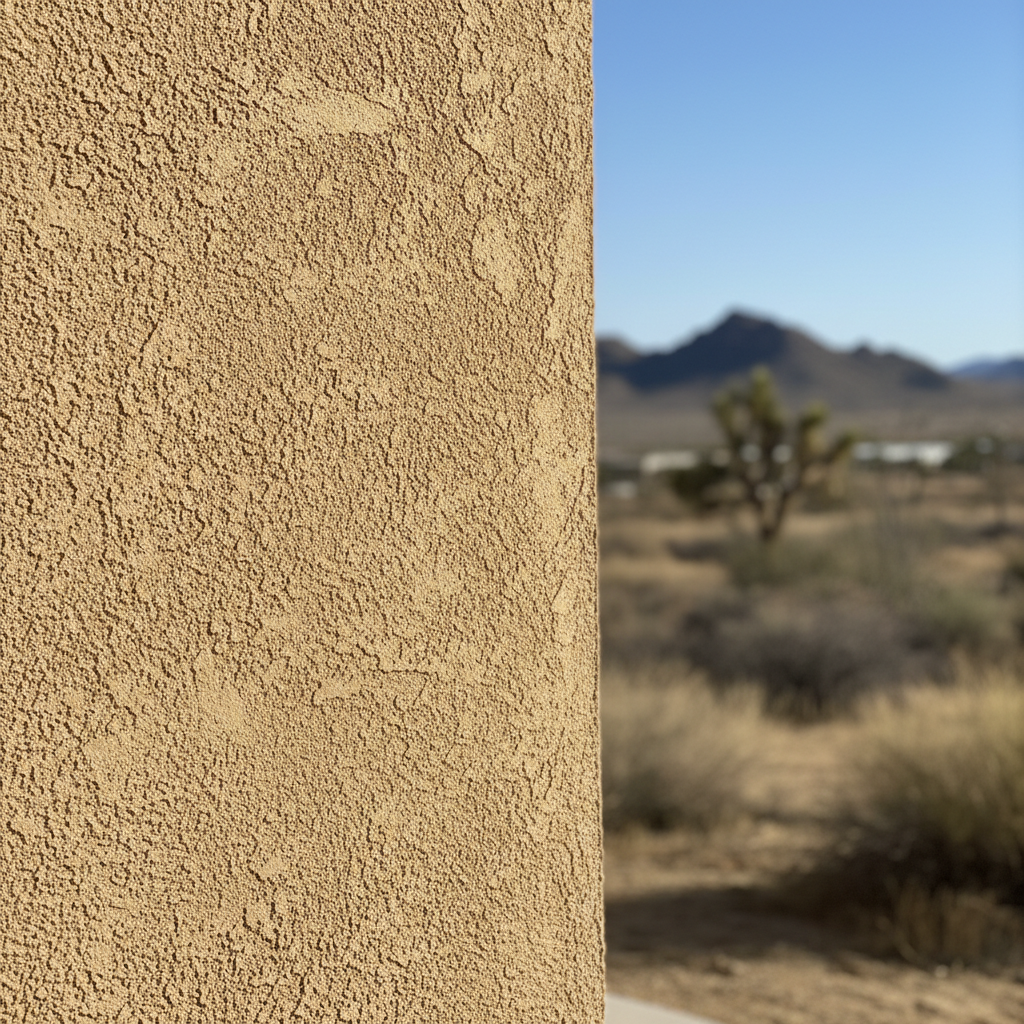
So, you're thinking about EIFS for your place. Maybe you've seen it around, or someone brought it up as an option. EIFS, which stands for Exterior Insulation and Finish System, is basically a fancy way of describing a multi-layered finish that goes on the outside of your house. It's not stucco, even though it can look an awful lot like it. Think of it like a continuous blanket of insulation wrapped around your home, then topped with a tough, flexible coating.
Here in Victorville, where our temperatures can really swing – we get super hot summers and sometimes surprisingly cold winters, right? – EIFS actually offers some solid benefits. That insulation layer can seriously cut down your energy bills, keeping your AC from working overtime when it's 100 degrees out and holding the heat in when it dips below freezing. Plus, it's pretty flexible when it comes to looks; you can get a modern, clean finish or something that mimics traditional stucco.
Before You Even Think About DIYing EIFS
Alright, let's be real for a second. Can you install EIFS yourself? Some small parts, maybe. The whole thing? Probably not, and honestly, you really shouldn't. This isn't like painting a room or putting up a fence in the backyard. EIFS is a system, and if it's not put in correctly, you're looking at potential moisture problems. That's the absolute last thing you want in any home, especially in our dry climate where you might not even notice a leak until it's become a huge mess.
Here's what you absolutely need to think about before you even lift a finger:
- Permits: You'll definitely need a permit from the City of Victorville for any exterior work like this. Seriously, don't skip this step. They'll want to check your plans and make sure everything meets code.
- Building Codes: EIFS has specific rules for flashing, drainage, and how it attaches to the house. These aren't just suggestions; they're there to protect your home.
- Moisture Management: This is the big one, the absolute critical piece. EIFS needs a proper drainage plane and flashing around all your windows, doors, and rooflines to keep water from getting stuck behind the system. If water gets in and can't get out, you're basically inviting rot and mold to set up shop.
- Tools & Materials: You'll need special tools for cutting insulation, putting on base coats, and doing the finishing work. The materials themselves are also specific to EIFS – you can't just grab regular stucco products from the hardware store.
For most homeowners, the